Engineered timber is the most common new-build floor in NZ — engineered oak boards, parquet, herringbone. The care rules are similar to solid timber but with two important differences: the wear layer is thinner, and most engineered floors are factory-lacquered (a smaller share are oiled).
This guide covers everyday cleaning, when refresh is enough, when recoat is needed, and the few things you should never do on engineered timber.
What makes engineered timber different
An engineered board is real timber on top (the “wear layer”, typically 2–4mm thick) bonded to a plywood or composite core. Three things follow from that:
- You can’t sand it as many times. Solid timber can be sanded 5–8 times over its life. Engineered: usually 1–2 max, sometimes none for thin wear-layer floors.
- Excess water is worse than for solid timber. Water can lift the wear layer or warp the core. Engineered floors are not “waterproof.”
- Recoat is your friend. Most engineered floors will accept a maintenance recoat with the original finish chemistry — extends life and avoids sanding.
What finish does my engineered floor have?
Most engineered floors sold in NZ since ~2010 are factory-finished with a UV-cured lacquer (multiple thin coats applied at the factory). A growing minority — usually higher-end European brands — come with a hardwax oil finish.
If unsure, do the water-drop test from our finish identification guide:
- Water beads → lacquered. Use neutral-pH cleaners.
- Water absorbs slowly → oiled (often hardwax oil on engineered). Use soap-based cleaners.
Daily / weekly cleaning
- Sweep or vacuum first. Grit is what scratches the wear layer; remove it before any wet step. No beater bar on the vacuum.
- Damp microfibre pad, not a wet mop. Standing water will mark the seams between boards.
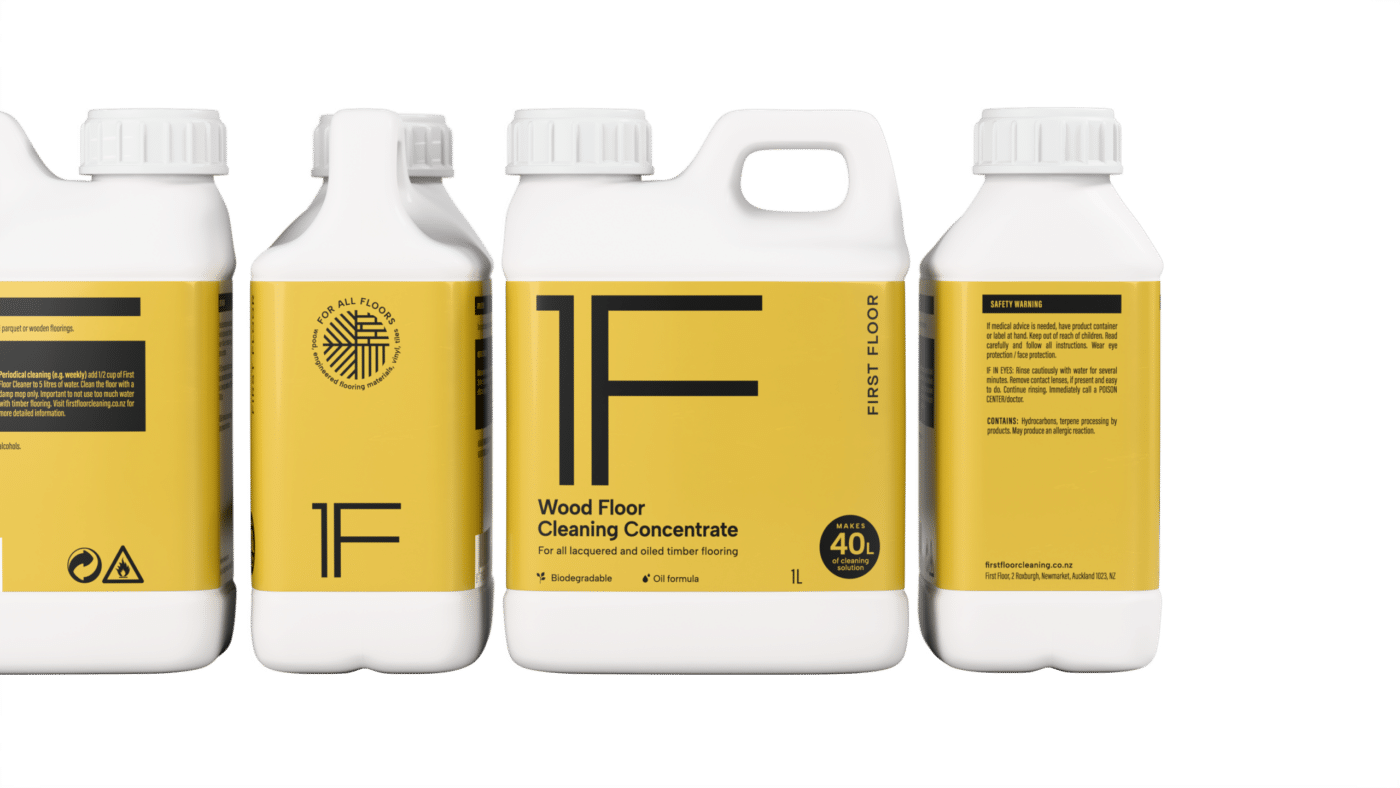
- Use a finish-matched cleaner. Lacquered floors: Bona Wood Floor Cleaner. Oiled engineered floors: FirstFloor Concentrate or Ciranova Floor Soap.
Annual refresh (lacquered engineered)
For lacquered engineered floors, an annual application of Bona Wood Floor Refresher evens out micro-scratches in the lacquer and adds a thin clear coat without recoating. It’s a 1-hour DIY job.
For matt-finish engineered floors, Floor Service Parquet Polish Mat is a parquet-specific matt refresher.
Maintenance for oiled engineered floors
If your engineered floor is oiled (most likely a European hardwax-oil finish), the maintenance schedule is the same as solid oiled timber: see our oiled floor maintenance guide.
Recoat vs sand-and-refinish
A recoat is a sand-screen (just enough to dull the existing lacquer) plus 1–2 thin top coats of new lacquer. It refreshes the floor without removing the wear layer.
A sand-and-refinish removes the existing lacquer plus the top fraction of the wear layer. Engineered floors often only have enough wear layer for one of these in their lifetime — sometimes none.
When to recoat (much more common for engineered):
- Lacquer looks tired, dull, or worn in high-traffic areas
- Refresher is no longer enough
- Wear layer is still intact (no exposed timber)
When to sand-and-refinish (rare on engineered):
- Deep scratches into the timber itself
- Discoloration that won’t lift
- Wear layer is thick enough (check the original installer’s spec)
Both are professional jobs. Talk to a flooring contractor — engineered floors are unforgiving if over-sanded.
What NOT to do on engineered timber
- Don’t soak. Excess water lifts the wear layer.
- Don’t steam. Same reason, plus heat damages the bond between layers.
- Don’t sand it yourself. Even a hand sander can blow through 2mm of wear layer fast.
- Don’t use generic “all-purpose” cleaners. Stick to wood-floor-rated products.
See our full don’t list.
Quick reference
| When | What |
|---|---|
| Daily/weekly | Sweep + damp microfibre clean with finish-matched product |
| Annual | Refresher (lacquered) or maintenance oil (oiled) |
| 5–10 years | Professional recoat |
| Once in floor’s life (if at all) | Sand-and-refinish — usually only solid timber |