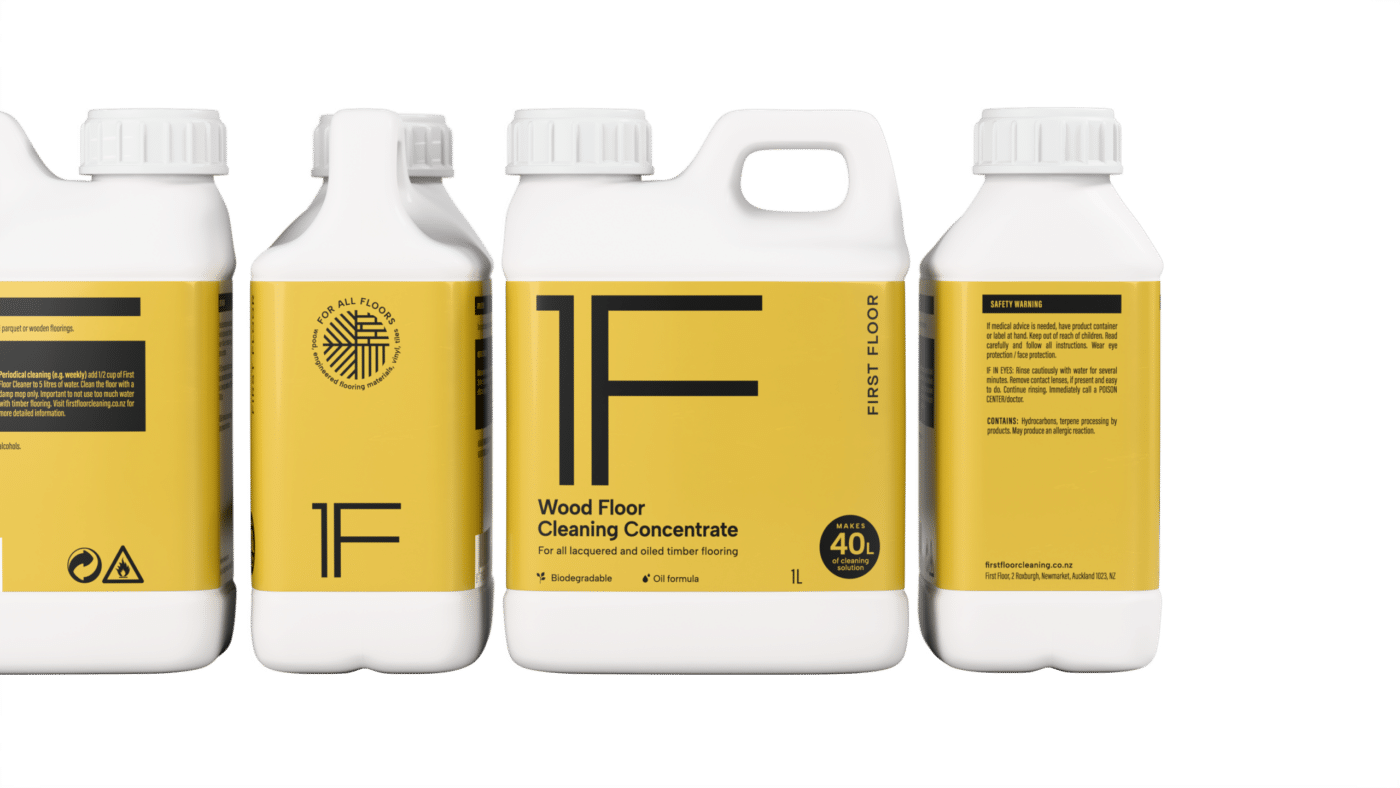
Oiled timber floors need different care than lacquered ones. The oil sits in the wood — not as a film on top — so soap-based cleaners are the right choice. Standard hard-surface or neutral-pH cleaners don't strip the oil immediately, but over months of use they gradually dry out the finish and leave a streaky residue.
Not sure whether your floor is oiled? Use our 60-second floor finish identification guide — the water-drop test takes 30 seconds and gives you a definitive answer.
What's in the oiled floor care range
- Soap-based cleaners for everyday washing — Ciranova Floor Soap, FirstFloor Wood Floor Cleaner Concentrate, Bona Oiled Wood Floor Cleaner. Each is pH-balanced and oil-protective.
- Maintenance oils for the annual or semi-annual top-up — Ciranova Maintenance Oil, Admonter Maintenance Oil, FirstFloor Maintenance Oil Matt. Top up high-traffic areas every 3–12 months.
- Spray mop kits matched to oiled finishes — Bona Spray Mop Kit for Oiled Floors includes the right cleaner cartridge for an oiled floor.
Which oiled floor cleaner should I choose?
- FirstFloor Wood Floor Cleaner Concentrate — NZ business, 1L makes up to 100L of ready-to-use solution. Best value per litre. Our most-recommended product for oiled floors.
- Ciranova Floor Soap — Belgian specialist formula, also highly concentrated. Slightly more premium, excellent for parquet and engineered oak.
- Bona Oiled Wood Floor Cleaner — the right choice if you want to stay within the Bona ecosystem, particularly if you have the Bona Spray Mop Kit for Oiled Floors.
See our Bona vs Ciranova floor cleaner comparison for a side-by-side breakdown.
Oiled floor care rhythm
- Daily / weekly: sweep or vacuum (no beater bar), then damp clean with a soap-based cleaner on a microfibre pad. Never use a wet mop — damp only.
- Quarterly to half-yearly: apply a maintenance oil to high-traffic zones — entryways, kitchen, hallways. Apply thinly, work into the grain, wipe any excess within 10 minutes.
- Annually: full-floor maintenance oil application across the whole surface.
- Every 5–10 years: professional re-oiling. Talk to a flooring installer — this step is beyond DIY maintenance.
What to avoid on oiled floors
- Lacquered-floor cleaners or neutral-pH hard-surface cleaners. They don't strip the oil immediately but will dry it out over time.
- Alkaline household cleaners (most supermarket multi-purpose floor cleaners). Same problem, faster.
- Vinegar. Mildly acidic — it etches the oil layer and dulls the finish.
- Steam mops. High heat drives moisture into the wood joints and breaks down the oil bond.
- Excess water. Oiled floors are more permeable than lacquered ones. Keep the mop damp, not wet.
Frequently asked questions — oiled floors
How do I know if my floor needs a maintenance oil top-up?
Three signs: the floor looks "dry" or flat in high-traffic zones; water no longer forms a visible bead but absorbs quickly; or the floor has a dull, lifeless appearance that cleaning doesn't resolve.
Can I use the same cleaner on oiled and lacquered floors in the same house?
Not recommended. Test each room with the finish identification guide and keep separate products.
My oiled floor looks white or patchy after cleaning — what happened?
Most likely a lacquered-floor cleaner or a household cleaner has been used. Try a light application of the correct soap-based cleaner. If it persists, contact us.
How long does oiled floor care take per session?
Daily / weekly cleaning: 5–10 minutes for a standard room. Maintenance oil: 20–40 minutes per room including prep and wiping excess — plan for the floor to be out of use for 2–4 hours to cure.
Shop by brand
- FirstFloor own-brand — NZ-made concentrate, best value per litre
- Ciranova — Belgian specialist, excellent for parquet and European oak
- Bona — global standard, Spray Mop ecosystem
- Admonter — Austrian specialist, best for white-oiled and limed-oak finishes